


Introduction to Dove Season
Dove season is a highly anticipated time of year for many hunters, and it’s a big deal for those who enjoy the thrill of the hunt. As the mourning dove population is abundant in many hunting areas, dove hunting has become a popular activity among hunters. To make the most of your dove hunt, it’s essential to be prepared with the right gear, clothing, and knowledge of dove hunting tips.
When it comes to dove hunting, the right clothes can make a significant difference in your comfort and success. Wearing lightweight, breathable clothing such as a t-shirt and long pants can help you stay cool in hot weather. It’s also crucial to wear clothes that allow for ease of movement, as dove hunting can be a physically demanding activity. Consider wearing camo clothing to help you blend in with your surroundings, but avoid wearing blaze orange as it’s not required for dove hunting.
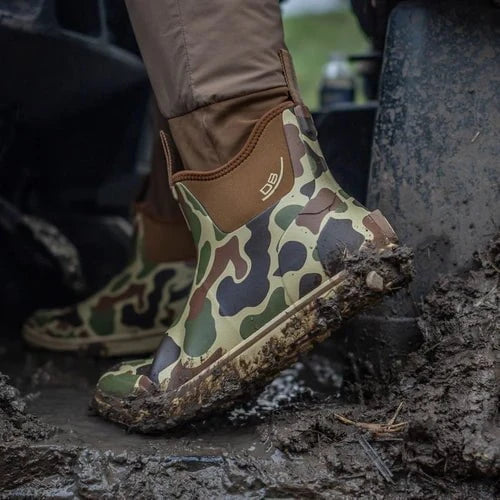
In hot humid weather, it’s vital to stay cool and keep your feet dry. Wearing boots that are waterproof and have a breathable membrane can help keep your feet dry and comfortable. Don’t forget to wear gloves to protect your hands from the sun and sweat. A shotgun and shells are also essential gear for dove hunting, and it’s crucial to handle them safely and responsibly.
As you head out to the dove field on opening day, remember to scout the area beforehand to identify the best hunting spots. Look for areas with an abundance of fruits, grains, and other food sources that attract doves. It’s also essential to be aware of your surroundings and take necessary precautions to avoid missing your target or injuring yourself or others.
By following these dove hunting tips and being prepared with the right gear and clothing, you can have a fun and successful dove hunting experience. Whether you’re a seasoned hunter or just starting out, dove season is an excellent opportunity to enjoy the outdoors and challenge yourself in a exciting and rewarding way. So, grab your shotgun, wear your lucky shirt, and get ready to take on the dove field with confidence and enthusiasm.
Dressing Light, Staying Sharp
Dove hunting during warm-weather seasons is all about keeping cool, staying mobile, and blending into your environment. With birds flying fast and often at unexpected angles, your clothing needs to support clear movement and quick reactions without weighing you down. Improving your shooting skills can lead to more effective shots and greater success in harvesting doves. Comfort and concealment are the keys to a successful hunt, especially during early season when temperatures climb and the sun stays strong. Finding shade can provide much-needed relief from the sun while wearing specialized shirts designed to keep you cool.
Lightweight Base Layers and Breathable Fabrics
Start with light, moisture-wicking base layers that keep sweat off your skin. Short-sleeve or long-sleeve synthetic or merino wool shirts in breathable weaves are ideal. Look for materials that dry quickly and offer built-in ventilation. In hot climates, lightweight performance tees provide UV protection and airflow without the bulk. Stay away from heavy cotton, which traps sweat and holds heat.
Camo and Concealment for Dove Fields
Dove hunting often takes place near crop fields, tree lines, or fence rows. Choose lightweight shirts and pants in muted earth tones or camo patterns that match dry grass, sunflower fields, or sandy soil. The goal is to blend into your surroundings without overheating. Mesh-back caps and lightweight camo gloves help reduce visibility without sacrificing comfort. Ensure your clothing can withstand the pull of thickets and other tough conditions. Some hunters wear leafy camo or 3D mesh tops for added concealment, especially when hunting from ground blinds or field chairs. Camo patterns that break up your outline are particularly effective in preventing birds from spotting you.
Pants and Mobility
Choose lightweight, breathable hunting pants or durable cargo pants with good ventilation. Materials like ripstop nylon or polyester blends work well for mobility and heat control. Many early-season hunters prefer pants with zippered thigh vents or roll-up cuffs. Pockets are helpful for holding shells, calls, or snacks, but avoid bulky designs that limit movement. In especially hot weather, some hunters opt for lightweight field shorts where legal and practical.
Footwear for Field and Heat
Footwear should provide support and breathability. Lightweight hiking boots, ventilated hunting shoes, or even sturdy trail runners can work for dove hunting, depending on the terrain. Choose footwear that handles dry, dusty conditions and keeps your feet cool. Wear moisture-wicking socks to reduce blisters and overheating, and avoid heavy insulation or waterproof layers that trap heat.
Headwear and Eye Protection
A brimmed hat or lightweight cap helps reduce glare and shields your face from the sun. Mesh-back caps or moisture-wicking boonie hats offer ventilation and sun coverage. Sunglasses or shooting glasses with tinted lenses are useful for spotting birds against bright skies while also protecting your eyes from glare and stray shot. Look for polarized lenses to reduce eye fatigue during long hunts.
Gloves and Extras
Lightweight gloves with mesh or moisture-wicking panels improve grip and minimize scent without adding heat. Some hunters go gloveless in extreme heat but still benefit from light camo hand coverings. Don’t forget sunscreen and insect repellent—both are essentials for comfort and protection during early season hunts. Protecting yourself from mosquitoes is crucial, as they can be particularly bothersome and carry potential diseases. A small cooling towel or neck gaiter soaked in water can also provide relief on especially hot days. Lightly salted snacks, such as pumpkin seeds and almonds, are great to bring along as the salt helps keep you hydrated.
Dressing Smart for Long Hunts
The goal in warm-weather dove hunting is to stay cool, move freely, and remain hidden. Lightweight, moisture-wicking clothing and well-ventilated accessories help keep you focused during fast-paced action. Understanding dove feeding habits, such as how certain types of sunflower can provide sustenance for a large number of doves, is also crucial. By dressing appropriately for the conditions, you’ll stay comfortable and alert, giving yourself the best chance when the birds start flying. Taking breaks between hunts to allow the field some rest is essential, as it gives doves time to return and feel secure in the feeding ground before hunters return for another shoot.
FAQs
What camo is best for dove hunting?
Use patterns that match open fields or dry crops, such as light browns, tans, or faded greens. When hunting in humid coastal regions, consider camo that can handle the high humidity and lush vegetation found along the coast. Earth-tone solids also work well.
Can I wear shorts while dove hunting?
Yes, in very hot weather and where legal, shorts can be worn. Just be aware of brush, insects, and sun exposure. With fall just around the corner, it's important to consider how the changing season might affect your hunting attire.
What kind of shirt should I wear in hot weather?
Moisture-wicking, breathable synthetic or merino wool shirts work best. Long sleeves offer more sun and bug protection while staying cool. Jeans and certain shirts are also fine for comfort and effectiveness in the field.
Do I need camo gloves in warm weather?
Light gloves can help with concealment and grip, but they’re optional. Choose breathable materials to avoid overheating. Ensure the gloves are durable enough to withstand the pull of thickets and other tough conditions without compromising the fabric.
Are sunglasses important for dove hunting?
Yes, sunglasses or shooting glasses help reduce glare, protect your eyes from UV rays, and improve visibility against bright skies.