


Introduction to Hunting Elk
Elk hunting is an exhilarating experience that requires careful planning, preparation, and the right gear. As an elk hunter, you’ll need to navigate rugged terrain, withstand unpredictable weather conditions, and develop a deep understanding of elk behavior. With the right mindset and equipment, you can increase your chances of a successful hunt and create lifelong memories in the elk woods. Whether you’re a seasoned hunter or just starting out, it’s essential to invest in high-quality elk hunting gear, including a good pair of boots, a reliable backpack, and effective elk calls. The thrill of the hunt, the challenge of the mountains, and the reward of harvesting elk meat make every moment worthwhile.
Pre-Trip Planning
Before embarking on your elk hunting adventure, it’s crucial to conduct thorough pre-trip planning. Research the terrain, weather conditions, and local wildlife regulations to ensure you’re well-prepared for the challenges ahead. Consider the time of year, as early season hunts may require lighter gear and a focus on staying cool, while late season hunts demand warmer clothing and a reliable layering system. Don’t forget to check the rifle season dates and regulations in your hunting area to avoid any issues. A well-planned trip will help you stay safe, organized, and focused on your goal of harvesting elk meat. Make sure your gear list is comprehensive, covering everything from clothing to optics binoculars, and always have a backup plan for unexpected changes in weather or terrain.
Dressing for the High Country
Elk hunting in the mountains demands more than marksmanship and stamina—it requires thoughtful layering and gear selection that matches the terrain, weather, and your level of activity. For backpack hunting, a well-thought-out clothing system is crucial, including various layers such as base layers, mid-layers, and insulation to enhance functionality and comfort. Conditions can swing from freezing mornings to sun-drenched afternoons, and your clothing has to keep up. Being too cold, too wet, or too hot can ruin your hunt or even become dangerous. Knowing what to wear ensures you’re comfortable, quiet, and prepared to go the distance.
Base Layers: The Foundation
A good layering system starts with moisture-wicking base layers. Merino wool or synthetic blends are ideal for regulating temperature and keeping sweat off your skin. Synthetic fabrics, in particular, offer advantages such as being lightweight and highly breathable, making them excellent for active pursuits. You want something snug but breathable. Avoid cotton—it holds moisture and can lead to rapid heat loss. Long sleeve tops and full-length bottoms create a warm, dry foundation whether you’re glassing at dawn or climbing ridges by midday.
Insulating Layers for Warmth
Insulation layers are crucial for maintaining warmth in a well-thought-out clothing system for hunting. Your mid-layer is your insulation. A fleece, wool sweater, or down jacket adds warmth without adding too much bulk. This layer should be easy to add or remove depending on your activity level. In colder weather, some hunters carry an extra insulating layer to put on during long glassing sessions or slow stalks when body temperature drops.
Outer Layers: Weather Protection
Your outer layer, specifically designed as elk hunting outerwear, keeps wind, rain, and snow at bay. A quiet, durable shell jacket and pants are essential. Look for waterproof and windproof materials that still allow breathability. In rough country, abrasion resistance is important. Mountain weather changes fast, and your shell may be the difference between staying out or heading back early. Quiet fabric matters—loud crinkly materials can give you away when you’re within range.
Pants Built for the Mountains
Hunting pants need to balance comfort, mobility, and durability, especially while hiking. Softshell or rugged synthetic pants with some stretch work well. Look for articulated knees, reinforced cuffs, and water resistance. In colder conditions, insulated pants or layering with long johns underneath adds extra warmth. Suspenders are a nice touch for keeping your layers in place through steep climbs.
Boots: Your Most Important Gear
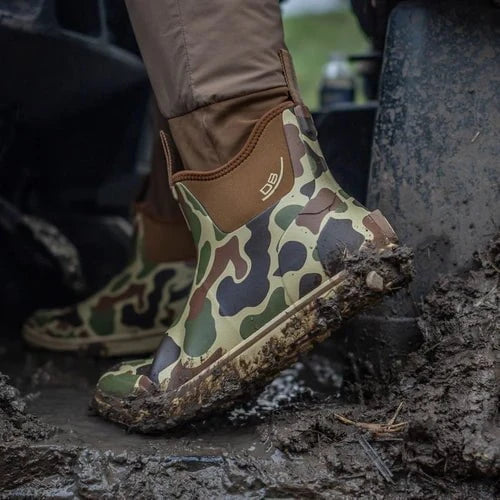
If there’s one item you shouldn’t skimp on, it’s your good boots. Elk hunting means covering miles in steep, uneven terrain. Insulated, waterproof boots with aggressive tread and ankle support help you move confidently through mud, snow, and scree. Make sure they’re broken in before the season starts. Wool socks and gaiters help keep feet dry and blister-free.
Head, Hands, and Neck
A good, light beanie or hat retains heat when temperatures drop. A brimmed hat offers sun protection during mid-day hikes. For your hands, pack two options—a thin pair of gloves for dexterity and a heavier pair for cold conditions. A neck gaiter or balaclava adds warmth and keeps wind from sneaking in at your collar. These small, lightweight pieces often make the biggest difference when weather turns.
Camouflage and Color
Blending into the mountain environment helps you stay undetected. When hunting on public land, it's crucial to follow regulations regarding clothing colors to ensure safety and compliance. Camo patterns designed for high-country terrain—grays, greens, and muted browns—work well in timber and rocky landscapes. In some states, blaze orange is required during certain seasons, so check your regulations. Whether you wear full camo or a mix, your clothing should match the terrain you’ll be hunting.
Backpack Essentials
A good pack is essential for any adventure, as it ensures optimal weight distribution, durability, and accessibility, significantly enhancing comfort and usability. Your pack should carry extra layers, rain gear, gloves, socks, and dry base layers in case you get soaked. Compression stuff sacks help manage bulk. Always carry a lightweight insulating layer even if the forecast looks good—mountain weather is fickle. Include space for water, food, and field gear so you’re ready for long days and changing conditions.
Staying Safe and Prepared
Staying safe and prepared is paramount when hunting elk. Invest in a good first aid kit, a reliable backpack with a load shelf, and a warm sleeping bag to ensure you’re equipped for any situation. Don’t underestimate the importance of a good base layer, as merino wool can help regulate body heat and wick moisture away from your skin. Consider purchasing a high-quality rain jacket and pants to keep you dry in cold and wet conditions. Consider the mountain extremes and pack accordingly, including extra storage for gear, a warm hat, and a pair of pack gloves. Additionally, bring a supply of trail mix and dehydrated meals to keep your energy levels up. With the right gear and mindset, you’ll be well-prepared to tackle the challenges of elk hunting and stay safe in the process. Remember, the mountains can be unforgiving, but with proper preparation, you can enjoy a successful and memorable hunt.
Conclusion
What you wear for elk hunting in the mountains can be the deciding factor between comfort and misery, success and an early hike out. Selecting the best gear, including moisture-wicking, insulating, and weather-resistant equipment, is crucial for staying dry, warm, and adaptable to the ever-changing mountain environment. From your boots to your beanie, every piece plays a role in helping you stay out longer and hunt harder in one of the most demanding terrains you’ll face.
FAQs
What kind of base layers are best for elk hunting?
Merino wool or synthetic materials work best for base layers. They wick moisture, insulate when wet, and dry quickly. Avoid cotton.
Do I need waterproof outerwear for elk hunting?
Yes. A waterproof, breathable shell protects against rain, snow, and wind. Mountain weather is unpredictable, and staying dry is critical. Quick drying materials in outerwear are essential to ensure you remain comfortable and protected in varying weather conditions.
How warm should my boots be?
Insulated, waterproof boots with good tread are ideal. Make sure they’re broken in and suitable for the terrain and temperatures you’ll face, especially in late October when weather conditions can vary significantly.
What camo pattern works best in the mountains?
Patterns with natural tones of gray, green, and brown blend best with high-country timber and rock. In late September, it's crucial to select camo patterns that work well in varying conditions. Choose based on your hunting area.
Should I carry extra clothes in my pack?
Yes. Bring a spare insulating layer, gloves, socks, rain gear, and extra mid layers. Mountain weather changes fast, and having extra mid layers helps you adapt to varying conditions.