


Introduction to Hunting in Inclement Weather
Hunting in inclement weather can be challenging, but with the right gear and knowledge, it can also be a rewarding experience. Rain, cold, and wind can make it difficult to navigate and track game, but they can also make the game more active and easier to hunt. The key to success lies in being prepared with the best hunting rain gear and quality rain gear that can withstand the elements. Investing in reliable rain gear ensures you stay dry and comfortable, allowing you to focus on the hunt rather than the weather.
However, it’s not just about staying dry. Cold and wet conditions can exacerbate common cold symptoms such as a runny or stuffy nose, sore throat, and body aches. These symptoms can make your time in the field miserable if you’re not adequately prepared. By choosing the right gear and taking care of your health, you can enjoy a successful hunt even in the worst weather.
Dressing for Harsh Weather in the Field
When the forecast calls for rain, biting wind, and freezing temperatures, having the right gear can make or break your hunt. Harsh weather doesn’t have to end your time in the field—if you’re dressed properly, you can stay comfortable, alert, and ready when the opportunity presents itself. The key is to layer smart, choose materials that shed water and block wind, and keep extremities warm and dry.
In coastal regions like the Pacific Northwest, heavier rain gear is essential due to the consistently wet conditions. Durable and waterproof features are crucial for hunting in these areas, especially when facing prolonged rainfall during hunting seasons.
Understanding Health Risks
Hunting in inclement weather can pose several health risks, including the common cold, flu symptoms, and other respiratory viruses. The influenza virus, in particular, can be spread through small particles in the air, making it essential to avoid close contact with others and practice good hygiene. Regular hand washing and using alcohol-based hand sanitizer can help reduce the risk of infection.
Weakened immune systems, trouble breathing, and lower humidity can all contribute to the spread of illnesses. Cold temperatures, cold air, and moist air can exacerbate cold symptoms such as a runny nose, stuffy nose, and sore throat. It’s crucial to take precautions to stay healthy during the hunting season. Dress in layers to stay warm, stay dry with quality rain gear, and be mindful of your health to avoid common colds and other respiratory illnesses.
Base Layers for Moisture Management
Start with a light, moisture-wicking base layer that keeps sweat away from your skin. Avoid cotton—once it’s wet, it stays wet and cold. Opt for synthetic or merino wool layers that breathe and insulate even when damp. These layers form the foundation of your insulation and help regulate your body temperature through changing activity levels.
Mid-Layers for Insulation
Next, add a mid-layer that traps heat. Fleece, wool, or synthetic down offer excellent warmth without too much bulk. These pieces should fit close to your body but still allow for movement. Mid-layers are tested during the fall season to ensure they provide adequate warmth and flexibility. For extreme cold, consider layering two mid-weight pieces instead of one heavy one to give more flexibility as temperatures shift.
Outer Layers That Shield and Breathe
Your shell layer should be waterproof, windproof, and breathable. Look for outerwear made with quality membranes that seal out weather but vent excess heat. A quiet, durable jacket and pants designed for hunting will help you stay dry and move without giving away your position. Fully taped seams, storm flaps, adjustable cuffs, and high collars all make a difference when the elements bear down.
Pants and Leg Protection
Water-resistant hunting pants or bibs keep your legs dry when moving through wet grass, snow, or brush. Insulated bibs provide extra warmth without riding up or letting cold air in. For extra mobility and coverage, consider layering thermal long johns underneath. It's crucial to consider both the pants and jackets designed for extreme weather conditions, as they work together to provide comprehensive protection against rain and cold.
Boots Built for Wet and Cold
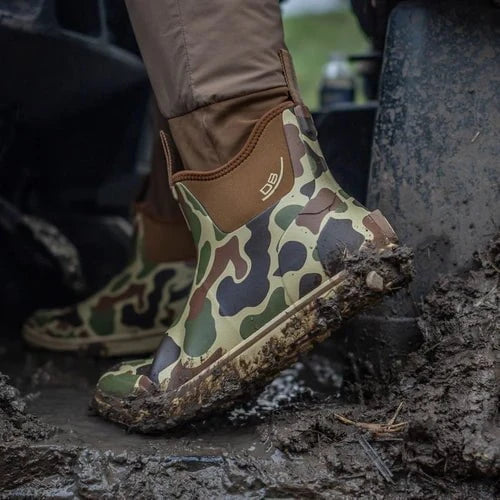
Insulated, waterproof boots are non-negotiable in wet and windy conditions. Choose a boot with enough insulation for the season and make sure it fits well with thick socks. Certain boots are designed to keep feet warmer in cold and wet conditions. Wool or synthetic blend socks are best—wearing two pairs can trap heat but may also restrict circulation if your boots are tight. Always test your setup before the hunt.
Gloves, Hats, and Neck Protection
Use waterproof gloves with an insulating liner to keep hands functional and warm. Look for gloves that balance dexterity with protection. A fleece-lined beanie or balaclava under a waterproof hood adds warmth and wind protection. A neck gaiter, scarf, or face shield closes the gap between collar and chin and can be pulled up when the wind bites.
Eye and Ear Protection
Eye and ear protection are essential when hunting in inclement weather. Wind, rain, and cold can cause discomfort and damage to the eyes and ears, making it difficult to hunt effectively. Exposure to cold water and wind can lead to ear pain and middle ear infections, while rain and wind can cause eye irritation and infections.
To prevent these issues, wear protective gear such as goggles and earplugs. Goggles can shield your eyes from rain and wind, while earplugs can protect your ears from cold air and moisture. Additionally, using gear made from waterproof materials can help keep your eyes and ears dry and protected, ensuring a more comfortable and successful hunt.
Dry Backups and Extra Essentials
Always carry extra gloves, socks, and a base layer in a dry bag or waterproof pouch. Conditions can soak through even the best gear, and having backups ensures you can stay in the field longer. Having dry backups ensures you are prepared for your next hunt regardless of weather conditions. Pack hand and toe warmers for added comfort when sitting still for long periods.
First Aid and Emergency Kits
First aid and emergency kits are crucial when hunting in inclement weather. Accidents can happen, and it’s essential to be prepared with the right gear and knowledge to treat injuries and illnesses. A well-stocked first aid kit should include essentials such as bandages, antiseptic wipes, and pain relievers. An emergency kit should contain items like a warm blanket, a flashlight, and a whistle.
Knowing how to treat common illnesses, such as the flu, and how to prevent the spread of illnesses is also important. Avoid close contact with others, practice good hygiene, and be prepared to treat cold symptoms such as coughs, fever, and headaches. By carrying the right supplies and being prepared, you can ensure a safe and successful hunt, even in challenging weather conditions.
Function and Comfort Above All
Dressing for rain, wind, and cold means more than piling on layers—it means selecting gear that works together to keep you dry, warm, and agile. Understanding the differences in gear performance based on weather conditions is crucial for choosing the right setup. With the right setup, you can stay comfortable through even the nastiest conditions and stay ready for the shot you’ve waited all day for.
Conclusion and Final Thoughts
In conclusion, hunting in inclement weather requires the right gear, knowledge, and precautions to ensure a successful and enjoyable experience. Investing in the best hunting rain gear, quality rain gear, and other rain gear options can help keep you dry and comfortable, providing essential rain protection. Understanding the health risks associated with hunting in bad weather, such as the common cold, flu symptoms, and other respiratory viruses, allows you to take necessary precautions to stay healthy.
Wearing protective gear like goggles and earplugs, and carrying first aid and emergency kits, ensures you are prepared for any situation. By considering the different viruses, such as the influenza virus, and taking steps to prevent the spread of illnesses, you can help stay healthy and avoid getting sick during the hunting season. With the right preparation and gear, you can enjoy a successful hunt, no matter the weather.
FAQs
What type of outerwear is best for bad weather?
Waterproof, windproof jackets and pants with breathable membranes are essential for protection and comfort in harsh conditions. In coastal regions like the Pacific Northwest or Alaska, the need for such outerwear is even more critical due to harsher weather conditions.
What base layer materials should I avoid?
Avoid cotton. Choose synthetic fabrics or merino wool that wick moisture and provide warmth even when wet. It's crucial to select light base layer materials that not only wick moisture but also provide warmth, ensuring comfort and ease of movement during outdoor activities.
How can I keep my hands warm in the rain?
Use waterproof gloves with an insulating liner. Ensure the gloves adequately cover your hands to prevent cold and wind from causing discomfort. Pack extras in a dry bag to swap out if your gloves get soaked.
Are insulated boots necessary?
Yes, especially in cold and wet weather. Choose boots rated for your hunting temperatures and wear moisture-wicking socks. Insulated boots are designed to keep your feet warmer in cold and wet conditions, ensuring comfort and protection.
Should I carry extra clothes?
Yes, bring dry backups for socks, gloves, and base layers in case you get wet. It helps extend your time in the field comfortably. Carrying extra clothes ensures you are prepared for your next hunt regardless of weather conditions.