


Dressing for Demanding Country
Mountain lion hunting takes place in some of the most rugged, remote landscapes North America has to offer. Whether you’re following hounds into steep canyons or glassing high ridges for tracks and sign, your clothing needs to perform across elevation changes, shifting weather, and miles of hard-earned ground. Prioritizing durability, temperature regulation, and quiet fabrics is key. What you wear can affect how far you go, how well you shoot, and how long you can stay focused on the hunt. Determining the sex of mountain lions is also crucial for effective population control and conservation efforts.
Base Layers for Changing Conditions
Begin with a high-quality, moisture-wicking base layer that can handle both climbing and long sits. Merino wool or synthetic blends are ideal for pulling sweat away while insulating. Early in the season, a lightweight base will suffice, but as snow piles up and temperatures drop, you’ll want a mid- to heavyweight option that still dries quickly if you overheat while hiking or tracking. Mountain lion hunting can be physically demanding, especially in rugged terrain, making the right base layer essential for comfort and performance.
Mid-Layers That Adapt
Add a fleece pullover or grid-style mid-layer for insulation. This piece should trap body heat while breathing well enough to avoid moisture buildup. A synthetic insulated jacket or vest provides core warmth during glassing sessions or snowmobile rides between cuts. In colder regions, down insulation offers excellent warmth-to-weight ratio, but be sure to keep it dry. Using the right techniques, such as scouting and employing specific tactics, is crucial for successful mountain lion hunting.
Outerwear for Tough Terrain
Your outer layer needs to stand up to rocks, brush, snow, and wind. A quiet, water-resistant soft shell works great for mild conditions and active hunts. When snow or rain enters the picture, switch to a waterproof, windproof hard shell. Articulated elbows and gusseted knees help maintain range of motion when crawling or climbing, and vents or zippers let you cool off on long climbs. Camouflage clothing is also essential for blending into the surroundings and remaining undetected by mountain lions during hunts.
For pants, choose durable, reinforced hunting or mountaineering pants that offer stretch and abrasion resistance. Some hunters add gaiters to keep snow, mud, and brush out of their boots and lower pant legs.
Choosing the Right Boots
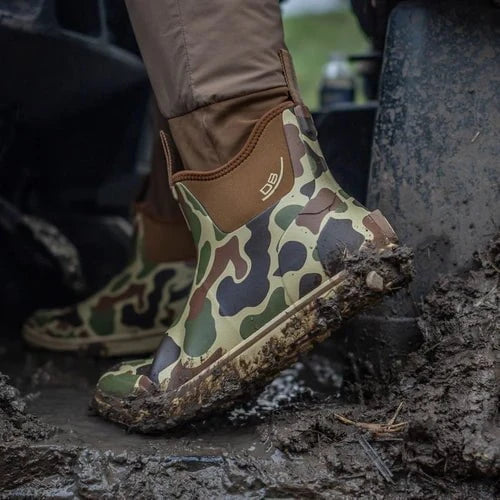
Footwear can make or break a mountain lion hunt. You’ll be moving across steep slopes, rocky ridgelines, and snow-covered trails. Insulated, waterproof mountain boots with a stiff sole offer support and warmth while climbing or side-hilling. Ensure they’re broken in before your hunt. Wool or synthetic socks with good cushion help prevent blisters and wick moisture throughout the day. Additionally, using a GPS device for navigation in challenging terrain is crucial for ensuring safety and success during your hunt.
Head, Hands, and Visibility
A warm, wind-blocking beanie or fleece hat keeps you comfortable during stationary moments. For more active parts of the hunt, a lightweight cap with ear protection offers breathability without overheating. A neck gaiter or balaclava is useful for keeping heat in and blocking wind on glassing ridges. Using a spotting scope for glassing distant terrain and identifying potential targets is crucial, as it enhances your ability to spot and stalk these elusive animals effectively.
Layered gloves are essential. Use a thin liner glove for dexterity when handling gear or shooting, with a thicker insulated glove or mitten for warmth during longer waits. Keep an extra dry pair in your pack.
Blaze orange may not be required in many mountain lion seasons, but check your state’s regulations. Even if not legally required, adding an orange panel on your pack or hat helps your hunting party identify you from a distance.
Extra Gear That Matters
Bring a pack that allows you to carry extra clothing layers, food, water, and emergency supplies. Conditions can change quickly in the mountains, and staying warm and dry might mean adding or swapping out gear as needed. Pack a dry bag or stuff sack with extra socks, gloves, and a backup insulating layer. Additionally, using predator calls to mimic the distress calls of prey animals like rabbits and fawns can effectively attract mountain lions within shooting range, making it an essential part of your hunting tactics.
Conclusion
Mountain lion hunting in rugged terrain demands thoughtful clothing choices that balance protection, breathability, and mobility. Whether you’re breaking trail through deep snow or climbing rock faces in search of tracks, your gear needs to keep up. Dress in layers, choose durable outerwear, and invest in quality boots and gloves that handle whatever the mountains throw at you. Staying warm, dry, and agile gives you the endurance to follow the hunt wherever it leads. Understanding the habitat of mountain lions is crucial for successful hunting, as it influences their movement, territorial behavior, and prey availability.
FAQs
What’s the best base layer for mountain lion hunting?
Moisture-wicking merino wool or synthetic layers work best, keeping you warm without holding onto sweat.
Understanding the management unit is crucial for effective population control, as different hunting regulations and quotas are implemented within these units to manage mountain lion populations properly.
Do I need waterproof outerwear for mountain lion hunts?
Yes, especially in snow or rain. A waterproof shell helps you stay dry and comfortable during changing weather conditions. Additionally, understanding the role of wildlife agencies in monitoring mountain lion populations is crucial, as these agencies gather essential data through studies using GPS and VHF collars to track behavior, territorial ranges, and genetic diversity.
What kind of boots should I wear?
Insulated, waterproof boots with stiff soles are ideal for navigating steep, uneven terrain. Break them in before the hunt.
Should I wear blaze orange when hunting mountain lions?
Check local regulations. Some states don’t require it, but an orange panel on your pack or hat improves visibility to others.
Understanding the role of wildlife officials in managing mountain lion populations is also crucial, as they set quotas, control the sex of harvested animals, and ensure sustainable management practices.
What gloves work best for rugged mountain hunts?
A layered glove system with liners and insulated gloves or mittens offers both warmth and dexterity in changing conditions.
Understanding the role of mountain lions in the ecosystem is crucial for ensuring a balanced and thriving environment during your rugged mountain hunts.