


Introduction to Turkey Hunting
Turkey hunting is a popular outdoor activity that requires skill, patience, and the right gear. Whether you’re a seasoned hunter or just getting started, understanding the basics is crucial for a successful turkey hunt. The thrill of the hunt, the challenge of outsmarting a wary gobbler, and the satisfaction of a well-placed call all contribute to the allure of turkey hunting.
To get started, it’s important to know the best times to hunt. Spring turkey hunting is often favored for its active gobblers, while fall offers the challenge of hunting more cautious birds. Mastering turkey calls is another essential skill. From box calls to mouth calls, each type has its own advantages and learning curve. Practice makes perfect, and the right call can make all the difference in luring a tom into range.
Equally important is what you wear. Turkey hunting clothing should be chosen with care, ensuring it matches the season and terrain. Camouflage is key to staying hidden from the sharp eyes of wild turkeys. Whether you’re blending into the fresh greens of spring or the muted tones of fall, the right camo pattern can help you stay concealed.
In summary, turkey hunting is a rewarding experience that combines knowledge, skill, and physical endurance. By understanding the fundamentals and preparing adequately, you’ll be well on your way to a successful turkey hunt.
Dressing for the Gobbler Game
Turkey hunting brings its own set of clothing challenges. Selecting the right head covering is crucial for concealment due to the sharp eyesight of wild turkeys. You’re often sitting still for long stretches, needing to stay concealed while ready to move at a moment’s notice. A turkey vest is essential for organizing a turkey hunter's arsenal of essential gear, including shells, calls, and face masks. The clothing you wear needs to match the season, the terrain, and the behavior of the birds. Whether you’re slipping through the woods on a cool April morning or sitting against an oak in late November, your gear needs to keep you hidden, quiet, and comfortable.
Spring Turkey Gear
Spring hunts start cold and often warm quickly, so layering is essential. Adding warmer clothes early in the morning is crucial to stay comfortable during the cooler temperatures. Begin with a moisture-wicking base layer to keep sweat off your skin during walk-ins or warmups. A mid-layer like a lightweight fleece or long-sleeve shirt provides warmth before the sun rises. Your outer layer should include a breathable camo jacket or shirt in a pattern that matches early spring foliage—greens, browns, and grays that blend into the understory. Lightweight camo pants or brush pants with some stretch allow easy movement without snagging. The unique characteristics of a spring turkey hunt, including the need for specialized gear like the Finisher Leafy Jacket, are essential for effective camouflage and comfort during the early morning hours.
Fall Turkey Gear
Fall brings cooler temps and changing cover. The fall turkey hunting season typically begins in mid-October and can extend until the end of December. Start with a thermal or merino base layer for added warmth. A flannel or insulated hunting shirt under a windproof camo jacket keeps you warm during long sits. Fall camouflage should reflect more browns and muted tones to match the thinning foliage and fallen leaves. Pants with insulation or room for base layers keep your legs warm as the day cools. It's important to choose pants that fit well over hunting boots or can be tucked into them to maintain a stealthy appearance while hunting. Waterproof boots with solid grip help with navigating damp woods or morning frost.
Hunting Turkeys in Different Terrains
Hunting turkeys in different terrains requires a unique set of skills and strategies. Each environment, from the dense woods of the eastern United States to the open fields of the Midwest, presents its own challenges and opportunities. Understanding how to adapt your approach to the terrain is crucial for a successful turkey hunt.
In the turkey woods, where visibility is limited and movement is easily detected, staying still and silent is paramount. Using turkey calls effectively can help draw birds closer without giving away your position. Decoys can also be useful, but they need to be placed strategically to avoid detection by wary turkeys.
Open fields, on the other hand, require a different approach. Here, visibility is high, and turkeys can spot movement from a long distance. Using ground blinds can provide the necessary concealment, allowing you to set up in a prime location without being seen. Camouflage that matches the surrounding vegetation is essential, and using a jake decoy can help attract dominant toms.
Navigating different types of terrain, such as hills, valleys, and wetlands, also requires careful planning. Knowing the lay of the land and scouting locations in advance can give you a significant advantage. Understanding how turkeys use the terrain to their advantage will help you position yourself for the best shot.
In conclusion, adapting your hunting strategies to different terrains is key to a successful turkey hunt. By understanding the unique challenges and opportunities each environment presents, you’ll be better prepared to outsmart your quarry.
Staying Silent and Still
Turkeys have exceptional eyesight and can spot movement or shiny fabric in a heartbeat. Minimizing unnecessary movement is crucial to avoid detection by these sharp-eyed birds. Quiet fabrics are essential. Avoid anything with a noisy outer layer, and look for soft, brushed finishes. Minimize movement by wearing gloves and a face mask or head net to conceal exposed skin. A cap with a brim helps break up your silhouette and shade your face without getting in the way of your call or optics.
Hands, Head, and Face
Gloves should match your camo pattern and offer enough dexterity to use a box call, slate, or trigger. Using a mouth call can also be beneficial for ease of use and concealment. In spring, lightweight gloves are usually enough. In the fall, thicker gloves or a layered option may be needed. A facemask or buff completes your concealment, especially important during those close encounters when a tom struts into range. Matching camo or natural earth tones help you vanish against the tree you’re backed against.
Boots for the Terrain
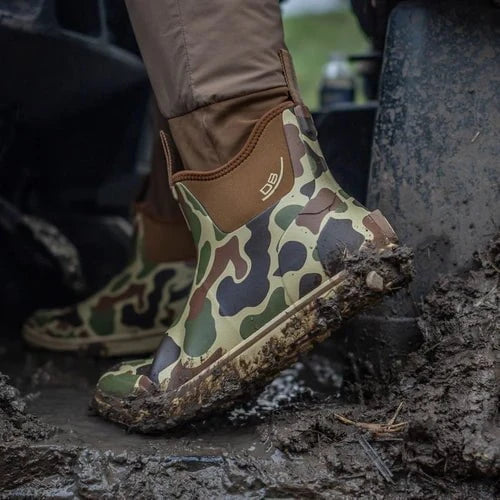
Spring often means mud, slick grass, and dew-soaked trails. Depending on the hunting location, particularly in western regions characterized by challenging landscapes, hunters may require boots designed for support and durability to effectively navigate the rugged terrain. Waterproof boots with good ankle support and traction keep your feet dry and secure. In the fall, conditions can vary from dry leaves to snow. Insulated boots may be necessary, especially for northern hunts. Either way, comfort and quiet are key—your boots shouldn’t squeak or crunch more than the woods already do.
Rain and Weather Protection
Both spring and fall hunts can bring rain or sudden temperature shifts. Pack a compact rain jacket in camo or drab colors that doesn’t make noise. In spring, a breathable rain shell helps you stay cool and dry. In fall, something with insulation may be necessary to keep your core warm during long sits. Windbreakers also help with those early morning gusts when turkeys are still on the roost.
Turkey Hunt Preparation
Preparing for a turkey hunt requires careful planning and attention to detail. From choosing the right clothing and gear to scouting out the best locations, there are many factors to consider when getting ready for a successful turkey hunt.
Start by selecting the right turkey hunting vests and clothing. A good turkey vest should have plenty of pockets for carrying essential gear like calls, decoys, and snacks. It should also include a built-in seat or cushion for comfort during long sits. Your clothing should be appropriate for the season and terrain, with layers that can be added or removed as needed.
Scouting is another critical aspect of preparation. Spend time before the season starts to scout locations and look for signs of turkey activity. Knowing where turkeys roost, feed, and travel will help you set up in the right spot. Use trail cameras if possible to monitor turkey movements and patterns.
Understanding turkey behavior is also essential. Turkeys have keen eyesight and can spot movement from a long distance. Learning to stay still and use calls effectively will increase your chances of success. Practice your calls in advance, and be familiar with the different types of calls and when to use them.
In summary, thorough preparation is key to a successful turkey hunt. By choosing the right gear, scouting locations, and understanding turkey behavior, you’ll be well-equipped for a rewarding hunting experience.
Hunting Clothing Systems
A well-thought-out hunting clothing system is essential for staying comfortable and concealed in the field. From base layers to outer layers, each component plays a crucial role in regulating body temperature, wicking away moisture, and providing camouflage.
Start with a good base layer that wicks moisture away from your skin. This is especially important during the spring season when temperatures can rise quickly. A moisture-wicking base layer will keep you dry and comfortable during the hike in and while sitting still.
Next, add a mid-layer for insulation. This could be a lightweight fleece or a long-sleeve shirt that provides warmth without adding bulk. In colder weather, opt for a thicker mid-layer to retain more heat.
Your outer layer should be chosen based on the weather conditions and terrain. In warm weather, a breathable camo jacket or shirt will help you stay cool while providing the necessary concealment. In cold weather, a windproof and insulated jacket will keep you warm during long sits. Choose camo patterns that match the environment, whether it’s the fresh greens of spring or the browns and grays of fall.
Don’t forget about your pants. Hunting pants should be durable and comfortable, with enough stretch to allow easy movement. Waterproof pants are a good choice for wet conditions, while insulated pants are ideal for cold days.
Finally, consider accessories like hats, gloves, and face masks. These items help complete your camouflage and protect you from the elements. A good hat with a brim can shade your face, while gloves and a face mask will hide exposed skin and keep you warm.
In conclusion, a well-designed hunting clothing system is essential for a successful turkey hunt. By choosing the right layers and camo patterns, you’ll stay comfortable and concealed, allowing you to focus on the hunt.
Turkey Vest or Pack
A turkey vest or small pack helps carry essentials like calls, decoys, snacks, and layers. A practical addition to these vests is a game pouch, which is useful for carrying lunch, water, and even the turkey itself after a successful hunt. Choose something with a built-in seat or cushion for comfort during extended sits. Make sure it has enough room for your gear but doesn’t stick out or clank when you move. Neutral colors or camo ensure it doesn’t break your concealment.
Conclusion
Whether you’re hunting spring gobblers or fall flocks, dressing right is about comfort, concealment, and readiness. Full camouflage is essential for effective concealment, ensuring you blend into the environment and avoid detection by turkeys with keen vision. Layers help you adjust to shifting temperatures, camo keeps you hidden from sharp eyes, and good boots make the hike in and out easier. Many hunters have diverse perspectives on various aspects of turkey hunting, from weapon selection to clothing preferences. From early mornings to midday sits, the right clothing keeps you focused on the hunt instead of the elements.
FAQs
What camo pattern works best for spring turkey hunting?
Choose patterns with green, gray, and brown tones to match early spring foliage and underbrush. Additionally, a full choke is often the preferred option for achieving a tighter shot pattern, which is critical for effective shooting at a distance of 30-40 yards.
How should I dress for cold fall turkey hunts?
Start with thermal base layers, then add insulating shirts and a windproof jacket. Many hunters prefer to wear warm long johns underneath their pants for added insulation during cold mornings. Earth-tone camo and insulated boots help with warmth and concealment.
Do I need a facemask for turkey hunting?
Yes. Turkeys have sharp eyesight, and a facemask helps hide your movement and skin glare. Carrying a turkey decoy can help hunters maximize their mobility and comfort during their outing.
Are waterproof boots necessary for spring hunts?
Yes. Spring conditions are often wet with dew or rain, and waterproof boots help keep your feet dry and comfortable. Wild turkey hunting is significant for both experienced and novice hunters, making proper gear essential for a successful hunt.
What should I carry in my turkey hunting vest?
Essentials include calls, extra gloves, a seat cushion, snacks, a small first aid kit, and an extra layer or rain shell. It's important to carry extra clothing to adjust to varying weather conditions, ensuring you are prepared for sudden changes in temperature or precipitation while remaining concealed.