


Comfort and Mobility in the Field
Upland bird hunting is an active pursuit. Whether you’re chasing roosters through CRP, busting coveys in a thicket, or walking fence lines for quail, the right clothing can make the difference between a good hunt and a miserable one. You’ll need gear that’s tough, breathable, and suited for long walks and fast shots in changing conditions. Upland hunters dress for movement and endurance, not long sits, so a comfortable pair of boots and functional gear are key.
Base Layers and Early Morning Warmth
Start with a moisture-wicking base layer, especially during cool early mornings. A jacket with a bonded fleece interior provides added warmth and wind resistance, making it ideal for outdoor activities in colder conditions. Lightweight synthetics or merino wool keep you dry as you hike and sweat, then hold warmth when you stop. In cold conditions, a thermal base layer adds extra insulation without adding bulk. As temperatures rise, you can peel layers back, but a solid base helps regulate your temperature throughout the hunt.
Shirts and Vests for Utility
Choosing the right upland hunting apparel, particularly your outer shirt, is crucial. It should be breathable and durable. Cotton blends or performance synthetics in earth tones or traditional upland colors work well. A dedicated upland hunting vest or strap vest is essential—it holds shells, water, snacks, and birds. Look for one with padded shoulder straps, ample pockets, and a rear game pouch. Some hunters opt for upland jackets with built-in storage, but in warmer weather, a vest over a shirt is usually more comfortable.
Footwear for the Miles Ahead
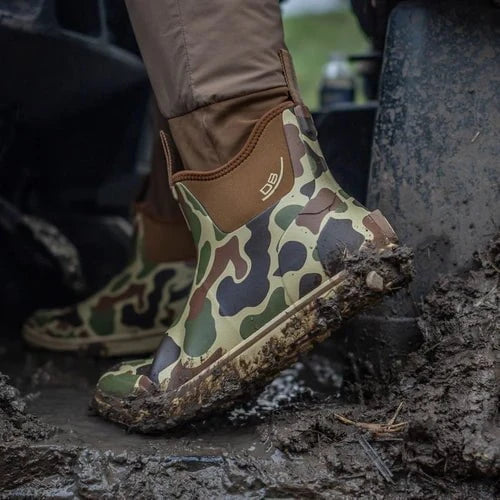
You’ll cover a lot of ground chasing birds, so footwear needs to be supportive, breathable, and built for distance. Lightweight boots or hunting shoes with good tread, ankle support, and taller boots are a must. Keeping your feet dry with waterproof footwear is essential, especially in morning dew or wet cover. Break in your boots before the season starts, and pair them with wool or synthetic socks to take care of your feet, prevent blisters, and wick moisture.
Headgear and Eye Protection
A blaze orange hat is often required by law and helps keep you visible to other hunters. Choose a breathable cap for warm days or an insulated beanie for colder weather. Safety glasses or shooting glasses are smart additions—they protect your eyes from brush, branches, and flying debris when you flush a bird or take a shot.
Gloves and Layering for Conditions
Lightweight shooting gloves provide grip and protection while letting you feel your trigger and handle shells. Including a neck gaiter in your gear is practical for cold weather adjustments. For colder hunts, use insulated gloves with a thinner glove liner underneath for flexibility. Layering is important in the field—pack a windbreaker or light jacket in your vest for when temperatures drop or wind picks up.
Colors and Blaze Requirements
While camo isn’t necessary for most upland hunts, wearing colors that blend into the environment while complying with blaze orange laws is smart. Upland gear often comes in tans, browns, and blaze orange combinations that provide visibility and blend well with natural cover. Always check your state’s regulations to ensure you meet visibility requirements.
Conclusion
Dressing for upland bird hunting is about balancing protection, mobility, and comfort across a day of active walking and quick shooting. Layer up with breathable fabrics, wear pants and boots that can handle brush, and don’t overlook the value of a good vest. When you’re dressed right, you can focus on the hunt and enjoy every mile of it.
FAQs
What kind of pants should I wear for upland hunting?
Jeans often fall short in providing the necessary comfort and functionality for bird hunting. Brush pants or reinforced upland pants protect your legs from thorns and burrs while allowing free movement.
Do I need a blaze orange vest?
Yes, in most states. Blaze orange ensures visibility to other hunters and may be legally required during upland seasons.
What boots are best for upland hunting?
Lightweight, rugged, waterproof boots with ankle support and breathable materials are ideal for covering long distances in varying terrain.
Should I wear camo for upland bird hunting?
Camo isn’t necessary. Neutral or earth tones paired with blaze orange are more common and often required for safety.
What’s essential to carry in an upland vest?
Carry extra shells, water bottles, snacks, gloves, a wind layer, and room for birds in the game pouch.