


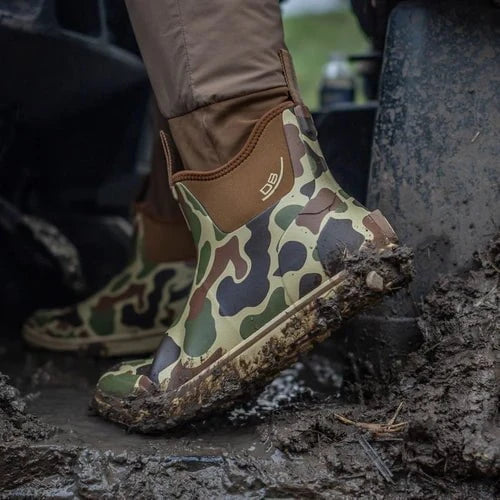
Introduction to Waterfowl Hunting
Waterfowl hunting is a popular outdoor activity that involves hunting ducks, geese, and other waterfowl species. It requires a combination of skill, strategy, and the right equipment, including a reliable shotgun. When it comes to choosing a shotgun for waterfowl hunting, hunters often debate between semi-automatic shotguns and pump-action shotguns. Semi-automatic shotguns, such as semi-auto shotguns, offer faster follow-up shots and ease of use, making them a popular choice among waterfowl hunters. On the other hand, pump-action shotguns, like the pump gun, are known for their reliability and simplicity. Each type of shotgun has its own set of advantages, and the choice often comes down to personal preference and hunting conditions.
History and Evolution
The history of waterfowl hunting dates back to the early 20th century, when shotguns were first introduced. Over the years, shotguns have evolved to become more efficient and effective for hunting waterfowl. The development of semi-automatic shotguns, such as the gas-operated semiauto shotgun, has revolutionized the sport. These shotguns use a small amount of gas to cycle the action, reducing recoil and allowing for faster follow-up shots. In contrast, pump-action shotguns, like the pump action shotgun, rely on manual cycling of the action, which can be more reliable in harsh conditions. This evolution has provided hunters with a wider range of options to suit their specific needs and preferences.
The Appeal of Faster Follow-Up Shots
Waterfowl hunting often means fast-paced shooting situations, unpredictable flight paths, and multiple birds in the air at once. When shooting ducks, the challenges include slower follow-up shots and fatigue during prolonged hunting sessions, making quick shooting capabilities crucial. Semi-automatic shotguns provide a distinct advantage in these conditions by allowing quick follow-up shots without the need to manually cycle the action. That speed and efficiency can mean the difference between one duck and a full strap.
Reduced Recoil and Better Control
One of the biggest benefits of semi-auto shotguns is reduced felt recoil. Semi-automatic shotguns help manage recoil effectively when using heavy loads. Gas-operated models in particular help absorb and distribute recoil energy, making them easier on the shoulder during long hunts. This makes it more comfortable to shoot heavier waterfowl loads and improves accuracy on second and third shots. Hunters who shoot frequently or have shoulder concerns often find semi-autos more manageable over the course of a season.
More Rounds Before Reloading
Most semi-automatic shotguns offer a magazine capacity of three shells (with a plug installed for legal compliance), giving hunters the ability to make multiple shots quickly. That matters in a blind when birds are coming in fast and you don’t have time to fumble with a pump. In high-volume hunting conditions or when dealing with multiple birds cupped up over decoys, those extra seconds count, allowing hunters to be ready for the next shot.
Reliable in Tough Conditions
Modern semi-automatic shotguns are built to handle mud, rain, and cold weather—just the kind of conditions waterfowlers encounter most. These shotguns are designed to withstand so much abuse in tough conditions, making them highly reliable for hunters. While older models had reputations for jamming, newer designs have improved reliability and require less frequent cleaning than many think. With basic maintenance, today’s semi-autos perform dependably across a variety of harsh environments.
Quick and Natural Handling
Semi-autos offer a smooth shooting rhythm that many hunters find more natural. The ease with which you can pull the trigger on semi-automatic shotguns contributes significantly to this smooth shooting rhythm. Without the need to pump or lever the action, it’s easier to stay locked on target and maintain focus. That smoothness can boost confidence and improve shot placement, especially for newer hunters still building their skills in a blind.
Choosing the Right Shotgun
Choosing the right shotgun for waterfowl hunting depends on several factors, including the type of hunting, the hunter’s experience level, and personal preference. Semi-automatic shotguns, such as the semi-automatic shotgun, are ideal for hunters who need to take quick follow-up shots. They are also suitable for hunting in dense vegetation, where the ability to quickly cycle the action is crucial. On the other hand, pump-action shotguns, like the pump shotgun, are better suited for hunters who prioritize reliability and simplicity. They are also a good choice for hunting in extreme conditions, where the risk of malfunction is higher. Ultimately, the right shotgun is one that fits the hunter’s needs and enhances their overall hunting experience.
Duck Blind Strategies
Duck blind strategies involve setting up a concealed position to hunt ducks and other waterfowl. The goal is to get as close as possible to the birds without being detected. Hunters use a variety of techniques, including camouflage, decoys, and calls, to attract the birds and get them within range. When using a semi-automatic shotgun, such as a semi-auto shotgun, it’s essential to consider the recoil reduction and ease of use, as these factors can affect the hunter’s ability to take quick and accurate shots. In contrast, pump-action shotguns, like the pump gun, require more manual effort, but can be more reliable in harsh conditions. The choice of shotgun can significantly impact the success of the hunt, making it important to select the right tool for the job.
Versatility Beyond the Duck Blind
Though waterfowl hunters are drawn to semi-autos for their performance in the marsh, these guns are versatile enough for upland birds, turkey, or predator hunting. Semi-automatic shotguns are also suitable for goose hunting, enhancing the experience with features tailored for chasing geese among other waterfowl. Many models come with interchangeable chokes and barrels that allow for customization depending on the pursuit. That flexibility makes them a strong investment for hunters who chase more than just ducks and geese.
Safety Considerations
Safety is a critical aspect of waterfowl hunting, and hunters must take necessary precautions to avoid accidents. When handling shotguns, such as semi-automatic shotguns or pump-action shotguns, it’s essential to follow proper safety protocols, including keeping the muzzle pointed in a safe direction and keeping the finger off the trigger until ready to shoot. Hunters should also be aware of their surroundings and ensure that they have a clear shot before pulling the trigger. Additionally, hunters should always wear proper gear, including eye and ear protection, to minimize the risk of injury. By following these safety considerations and choosing the right shotgun, such as a semi-auto shotgun or a pump gun, hunters can enjoy a safe and successful waterfowl hunting experience.
A Worthwhile Upgrade
While semi-automatic shotguns are often more expensive than pump or break-action models, they offer distinct advantages that many hunters consider worthwhile. The ease of shooting, faster cycling, and improved recoil management all contribute to better field performance and more enjoyable hunts. For those who take their waterfowling seriously, the semi-auto is often the shotgun of choice.
FAQs
Why do waterfowl hunters prefer semi-auto shotguns?
Because they allow quick follow-up shots, reduce recoil, and perform well in tough field conditions.
Are semi-autos more reliable than pumps?
Modern semi-autos are very reliable with proper maintenance, though pumps may still have an edge in extreme grit or freezing conditions. There is very little that can go wrong with pump-action shotguns, making them highly dependable in harsh environments.
Is a semi-automatic shotgun worth the higher cost?
For many hunters, yes. The benefits in recoil management, speed, and ease of shooting often outweigh the extra investment.
Can I use a semi-auto for other types of hunting?
Absolutely. Semi-autos are versatile tools suitable for turkey, upland, and even some big game hunting when equipped properly.
What’s the legal shell limit for semi-autos in waterfowl hunting?
Federal law requires a plug that limits the gun to three shells—one in the chamber and two in the magazine—for waterfowl hunting.