


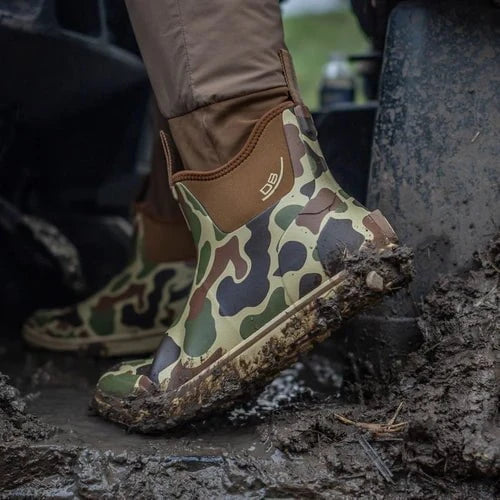
Late Season Hunting
Duck hunting late-season waterfowl in frozen conditions presents unique challenges, but with the right strategies, you can capitalize on their predictable behavior during this time of year. Cold weather often concentrates birds in specific areas, making it possible to target them effectively if you adapt your tactics. Here’s a guide to help you successfully hunt waterfowl in frozen conditions, emphasizing the importance of using both duck and goose decoys.
Understanding Late-Season Waterfowl Behavior
-
Concentrated Feeding: Waterfowl need high-energy food sources to sustain them in freezing weather, so they often flock to fields or open water near food supplies.
-
Limited Water Access: Frozen conditions limit the availability of open water, making small patches of unfrozen water ideal hunting spots.
-
Increased Skittishness: Late in the season, late season ducks are more cautious due to previous hunting pressure. Adaptive hunting methods and careful scouting are essential to find reliable spots, such as secluded feeding areas where these weary and pressured birds congregate. Using goose decoys strategically can help attract these cautious geese by mimicking safe and appealing environments.
-
Weather Patterns: Waterfowl are more active during changes in weather, such as before or after a storm or during warming trends.
Finding Waterfowl in Frozen Conditions
-
Locate Open Water: Birds will concentrate on any remaining unfrozen water. Look for:
-
River bends or fast-moving streams that resist freezing.
-
Ponds or lakes where springs or aerators keep water open.
-
Areas where waterfowl themselves keep water open through constant movement.
-
Flooded timber: In late-season scenarios, ducks often seek shelter in flooded timber to escape harsh weather. Utilize unique hunting strategies such as specific decoy placement, effective hiding techniques, and leveraging canopy cover to enhance your success.
-
Strategically placing goose decoys near open water can attract geese, especially when considering factors like wind direction and competition from other hunters.
-
Scout for Fields: Fields with corn, soybeans, or wheat are popular feeding areas, especially near water.
-
Observe Flight Paths: Watch for waterfowl flying low over open water or fields to pinpoint active areas.
Setting Up in Frozen Conditions
Water Setups
-
Keep Water Open: Use these techniques to create or maintain open water:
-
Ice Eaters: Portable water agitators or pumps keep water moving and prevent ice from forming.
-
Decoy Spread Movement: Use motion decoys or jerk rigs to create ripples and maintain open water.
-
Break the Ice: Physically remove ice with an ice breaker or by clearing chunks manually. Ensure the edges are jagged to mimic natural openings.
-
Use a Realistic Spread: Late-season birds are wary. A natural-looking decoy spread can make all the difference:
-
Fewer decoys may be more effective in small, open water areas.
-
Position decoys tightly together, as real birds tend to huddle for warmth in cold weather.
-
Add sleeper and resting decoys to suggest a relaxed flock.
-
Strategically place goose decoys considering wind direction and competition from other hunters. Vary the type and number of decoys based on environmental conditions and bird behavior.
-
Concealment: Late-season waterfowl are especially vigilant, so blend in seamlessly:
-
Use layouts or blinds covered with natural vegetation or snow to match the environment.
-
Position your blind downwind and out of direct sightlines.
Field Setups
-
Choose a Hot Field: Look for fields with recent feeding activity, identified by droppings, feathers, or visible flocks.
-
Position Decoys Strategically: Place decoys near high-traffic areas or flight paths:
-
Use full-body or shell decoys to mimic feeding birds.
-
Incorporate motion decoys, such as spinning-wing decoys, to catch attention.
-
Create an “X” or “U” shape with your decoy spread to funnel birds toward your shooting lanes.
-
Use goose decoys in fields to mimic feeding geese and attract more birds. Adjust the type and number of decoys based on wind direction, competition from other hunters, and seasonal changes.
-
Stay Hidden: Snow cover in fields can make concealment more difficult:
-
Use a snow-covered blind or dig into snowbanks for natural cover.
-
Scatter snow over your blind to eliminate sharp edges and shadows.
Timing Your Hunt
-
Early Morning: Birds are active at first light as they move to feeding areas or open water. The early morning flight is a prime time to see ducks engaging with decoys in the dim light of dawn, making it crucial for successful duck hunting.
-
Midday Warm-Ups: On sunny days, birds may fly later in the morning or early afternoon when temperatures rise slightly.
-
Pre-Storm Activity: Waterfowl often feed heavily before a storm, providing excellent hunting opportunities.
-
Evening Feeding: Late-season birds return to roosting water after feeding in fields during the day.
Decoy Spread Strategies for Frozen Conditions
-
Add Movement: Birds are wary of static decoys in frozen conditions:
-
Use jerk rigs, spinning-wing decoys, or water agitators to simulate activity.
-
Place decoys near the edges of open water to mimic natural bird behavior.
-
Be cautious when placing decoys on thin ice to avoid dangerous conditions while retrieving downed birds.
-
Match the Season: Choose decoys that resemble the plumage of late-season waterfowl for added realism.
-
Fewer Decoys, Better Placement: Late in the season, wary birds may avoid large spreads. Opt for smaller, realistic setups.
-
Use goose decoys strategically in these smaller setups to attract geese. Consider factors like wind direction, competition from other hunters, and seasonal changes to enhance effectiveness. Adjust the type and number of decoys based on environmental conditions and bird behavior.
-
Calling Techniques for Late-Season Waterfowl
-
Tone It Down: Overcalling can spook late-season birds, especially wary ducks. Use subtle, natural calls to mimic content waterfowl.
-
Respond to Birds: Match your calls to their behavior. For cautious birds, use soft quacks, feeding chuckles, or subtle whistles.
-
Finish Them Close: When birds circle, avoid calling excessively. Let them focus on your decoys to bring them in range.
Weather-Specific Tips
-
Sunny Days: Use decoys with dull finishes to avoid glare, and rely on motion decoys to stand out.
-
Overcast Days: Bright-colored decoys, such as those with white highlights, can improve visibility.
-
Snowfall: Ensure decoys remain visible by brushing off accumulating snow. Use snow camo to blend into the environment.
-
Windy Conditions: Position decoys so they appear to land into the wind. Use motion decoys to take advantage of the wind’s movement.
-
Late Season Hunting: The challenges of late season hunting require proper gear, nourishment, and training for retrievers in cold weather. Ensure decoys are visible and use strategies to overcome the difficulties presented by the late season.
Gear Considerations
-
Warm, Waterproof Clothing: During duck season, frozen conditions demand insulated, waterproof gear to keep you warm and dry.
-
Hand and Foot Warmers: Use these to maintain dexterity and avoid discomfort during long hunts.
-
Sleds for Transport: In snow or ice, sleds make it easier to carry decoys and gear to your setup.
-
Ice-Clearing Tools: Bring tools such as spud bars or shovels to break ice and create open water.
Safety in Frozen Conditions
Check Ice Stability: During the late stages of the waterfowl season, avoid walking on ice unless you’re certain it can support your weight. Use a spud bar or ice chisel to test thickness.
Stay Dry: Falling into freezing water can lead to hypothermia. Wear a life vest or flotation jacket if working on ice.
Use a Buddy System: Always hunt with a partner in frozen conditions to ensure safety.
Bring Emergency Gear: Carry a fire starter, spare clothing, and an emergency blanket in case of accidents.
Conclusion
Hunting late-season waterfowl in frozen conditions requires careful planning and adaptation to the weather and bird behavior. By focusing on open water or active feeding fields, using realistic decoy spreads, and adjusting your strategies for the cold, you can take full advantage of this challenging yet rewarding season. Proper preparation, patience, and safety ensure a successful hunt in even the harshest conditions.
FAQs
How do I create open water in frozen conditions using an ice eater?
Use ice eaters, water agitators, or manually break ice to create realistic openings. Position decoys around the edges to simulate natural bird behavior.
What type of decoys work best in late-season hunts?
Late-season decoys should include resting and sleeper poses, with realistic plumage matching the birds in your area. Motion decoys add lifelike activity.
Is calling effective in late-season waterfowl hunting?
Yes, but keep calls subtle and natural. Overcalling can spook wary birds that have experienced heavy hunting pressure.
What gear is essential for late-season waterfowl hunts?
Insulated, waterproof clothing, hand and foot warmers, ice-clearing tools, and a sled for transporting gear are vital for cold-weather hunts.
How can I stay safe while hunting on ice?
Check ice thickness, avoid unstable areas, hunt with a partner, and carry emergency supplies to prevent accidents in frozen conditions.