


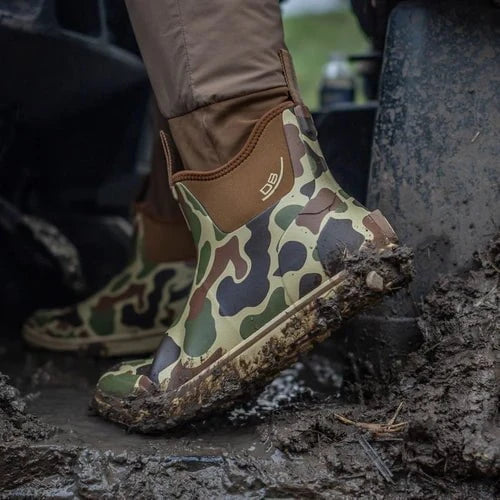
Hunting By Yourself
Solo hunt for waterfowl can be a rewarding experience, offering the freedom to choose your setup, adapt to changing conditions, and refine your skills. However, solo trips come with unique challenges, requiring careful planning and strategy to ensure safety and success. This guide provides top strategies to help you make the most of your solo waterfowl hunting trips.
Plan and Scout in Advance for Solo Hunting
Research your hunting location thoroughly, focusing on key waterfowl habitats such as wetlands, lakes, rivers, and crop fields. Scout the area before your hunt to identify feeding zones, travel routes, and resting areas. Look for signs such as feathers, tracks, droppings, or concentrated bird activity. Mark potential blind locations, access points, and key terrain features to optimize your setup. Use your scouting and planning to hunt today and explore opportunities for successful outings in the current season.
Choose Lightweight and Portable Gear for Duck Hunting
Opt for compact and lightweight decoys, blinds, and other gear that are easy to carry and set up on your own. A well-organized blind bag is crucial for managing your gear efficiently, especially when hunting solo.
Use silhouette decoys or inflatable options that take up less space and weight compared to full-body decoys.
Consider a backpack or decoy bag with multiple compartments to keep your gear organized and manageable.
Master Efficient Decoy Spreads
Simplify your decoy spread by focusing on quality over quantity. Using a dozen decoys, positioned correctly, can significantly enhance your chances of attracting ducks, especially when hunting solo. A small, realistic spread can be as effective as a large one.
Use versatile patterns like a “U” or “J” shape to guide birds into a clear landing zone.
Incorporate motion decoys or jerk strings to create lifelike movement and attract birds from a distance.
Build a Compact and Concealed Blind
Choose a low-profile duck blind that blends seamlessly into the environment. Portable layouts or natural cover like reeds, grasses, or fallen logs work well. Set up in areas with natural concealment, such as near shorelines, vegetation, or along tree lines. Ensure your blind provides a clear shooting lane while keeping your movements hidden.
Pay Attention to Wind and Weather
Position yourself with the wind at your back or side so birds approach into the wind, making their flight path predictable. The wind can also help in retrieving dead birds by carrying them back to you, ensuring easier retrieval after a successful shot.
Adapt to weather conditions. On windy days, focus on sheltered areas where birds may seek refuge, while calm days may call for motion decoys to simulate movement.
Monitor changes in weather throughout the day, as shifts in wind or visibility can influence bird activity and your strategy.
Use Effective Calling Techniques
Practice your calling skills to mimic natural waterfowl sounds and increase your chances of attracting birds.
Match your calling to the situation. Loud, aggressive calls work for distant birds, while soft feeding chatter is better for close flocks.
Pay attention to the birds' reactions and adjust your calling accordingly.
Prioritize Safety
Solo hunts require heightened attention to safety due to the unique risks associated with hunting alone. Carry a fully charged phone or GPS device, and let someone know your hunting location and expected return time. Wear a life jacket if hunting near water or in a boat, and always be cautious around deep or fast-moving water. Pack a basic first aid kit for emergencies, including supplies for cuts, blisters, or other common injuries.
Time Your Hunts
Plan your hunt to coincide with peak waterfowl activity, typically during early morning and late afternoon.
Arrive at your hunting spot early to set up before birds start flying. This minimizes disturbance and maximizes your chances of success.
Stay flexible and adjust your timing based on bird patterns observed during scouting or the current conditions.
Limit Movement and Noise
When hunting solo, avoid unnecessary movement or noise that could spook nearby birds.
Stay still when birds are approaching, and keep your head and body low to maintain concealment.
Use quiet gear and ensure your blind setup is stable to avoid accidental noise.
Be Patient and Observant
Solo hunting often requires more patience than group hunts, as you have fewer decoys and calls to draw birds in.
Take time to observe bird behavior and adapt your strategy based on their reactions.
Remain alert and ready for opportunities, even if the action slows down.
Practice Shooting Efficiency
With fewer opportunities to harvest birds, focus on taking ethical and accurate shots.
Practice shooting from different positions and angles to prepare for various hunting scenarios.
Use a choke and ammunition combination suited for waterfowl hunting to maximize your effectiveness.
Manage and Retrieve Birds Solo
Plan your hunts in areas with manageable water depths or terrain to make retrieving birds easier. A well trained retriever can significantly enhance the hunting experience by efficiently retrieving game and fostering a strong bond between the hunter and the dog. Consider using a dog if you have one trained for retrieval, or bring a lightweight kayak or waders to assist in retrieving downed birds.
Mark the location of downed birds immediately to avoid losing them, especially in dense vegetation or open water.
Conclusion
Solo waterfowl hunting trips can be highly rewarding, providing the opportunity to fine-tune your skills and enjoy a more personal hunting experience. By planning thoroughly, using efficient gear and setups, and prioritizing safety, you can overcome the challenges of hunting alone. With patience and adaptability, solo waterfowl hunts can become some of your most memorable and successful outings.
FAQs
What gear is essential for solo waterfowl hunting?
Lightweight decoys, a portable blind, a reliable shotgun, a call, waders, and safety equipment such as a GPS and first aid kit are crucial for solo hunting.
Additionally, the quality of ducks harvested, often referred to as 'table fare,' plays a significant role in the overall hunting experience and enjoyment.
How can I retrieve birds without a dog?
Use waders, a lightweight kayak, or a long-handled retrieval tool to recover downed birds safely and efficiently.
What decoy spread works best for solo hunters?
Simpler spreads with 6–12 decoys arranged in a “U” or “J” shape are effective and easy to manage solo.
How do I stay safe when hunting alone?
Inform someone of your location and return time, carry a phone or GPS, wear a life jacket near water, and pack a first aid kit.
How can I stay concealed while hunting solo?
Use natural cover or a low-profile portable blind that blends into the environment. Minimize movement and keep your gear quiet to avoid detection.